
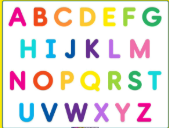
Alphabet Learning With Games | Fun Ways for Kids to Learn A–Z!
Learning the alphabet is the first step in reading and writing—and it becomes even more exciting when we turn it into a game! Kids learn faster when they are having fun, moving around, laughing, and exploring letters in creative ways.
Let’s discover some awesome alphabet games that make learning A–Z joyful, engaging, and unforgettable for young learners.
⭐ Why Alphabet Games Are Important
Alphabet games help children:
✔ Recognise letters quickly
✔ Remember letter shapes and sounds
✔ Improve reading readiness
✔ Develop motor and thinking skills
✔ Learn through play instead of pressure
✔ Build confidence in language
Games make learning active, enjoyable, and long-lasting!
🎉 Fun Alphabet Games for Kids (Classes 1–5)
Here are some exciting games teachers and parents can use at home or school.
🔤 1. Alphabet Treasure Hunt
Hide alphabet cards around the room or playground.
Ask kids to find letters and shout the sound or a word starting with that letter.
Example:
Kid finds “B” → says “B for Ball!”
Benefits: Improves memory + letter recognition + movement.
🧩 2. Letter Puzzle Match
Give children puzzle pieces of uppercase letters and lowercase letters.
They must match them correctly.
Example:
A ↔ a
M ↔ m
T ↔ t
Benefits: Builds understanding of upper/lowercase forms.
🎨 3. Alphabet Art Time
Give kids crayons, paint, or clay and ask them to create a letter using art materials.
Examples:
- Make “A” with matchsticks
- Make “S” with glitter
- Make “O” with clay
Benefits: Hands-on learning, creativity, fine-motor skills.
🎤 4. Sound & Action Game
Say a letter sound, and kids must act like something starting with that sound.
Examples:
- /L/ → pretend to be a lion
- /B/ → hop like a bunny
- /F/ → blow like a fan
Benefits: Connects letters with sounds, builds phonics skills.
🎲 5. Alphabet Bingo
Give kids bingo sheets with letters instead of numbers.
Call out letter sounds or words, and children mark the matching letter.
Example call-outs:
- “Letter that starts Dog” → D
- “Letter with the sound /a/” → A
Benefits: Listening + phonics + quick recognition.
🎯 6. Mystery Letter Box
Place small objects inside a box, such as:
- apple
- toy car
- spoon
- ball
Kids pick one and name the first letter:
“Ball → B”
Benefits: Builds vocabulary + beginning sound skills.
🏃 7. Alphabet Hopscotch
Draw a hopscotch grid with letters instead of numbers.
Kids jump from letter to letter while saying the sounds.
Benefits: Movement + learning = fun memory booster!
✏️ 8. Make a Word Race (For Classes 3–5)
Write many letters on slips of paper.
Set a timer for 30 seconds.
Kids make as many short words as they can.
Example words:
cat, bat, sit, top, run
Benefits: Vocabulary + spelling + thinking skills.
🌈 9. Alphabet Story Starter
Give each child a letter and ask them to start a sentence or story using that letter.
Example for “S”:
“Sam saw a shiny star in the sky.”
Benefits: Improves writing and creativity.
📝 10. Letter of the Day Journal
Choose one letter daily.
Kids write:
- 3 words starting with the letter
- 1 sentence using one of the words
- A drawing of an item beginning with that letter
Benefits: Reinforces alphabet learning in a daily routine.
🌟 Tips for Teachers & Parents
👉 Keep the games short and fun
👉 Don’t force perfection—focus on enjoyment
👉 Celebrate small achievements
👉 Mix physical and mental games
👉 Repeat letters regularly to build strong memory
Consistency + fun = successful learning!
💛 Conclusion
Learning the alphabet doesn’t have to be boring. With exciting games, creative activities, and lots of movement, kids learn faster and enjoy every part of the journey from A to Z.
Alphabet games help children recognise letters, remember sounds, and build a strong foundation for reading and writing.vLearning the alphabet is the first step in reading and writing—and it becomes even more exciting when we turn it into a game! Kids learn faster when they are having fun, moving around, laughing, and exploring letters in creative ways.
Let’s discover some awesome alphabet games that make learning A–Z joyful, engaging, and unforgettable for young learners.
⭐ Why Alphabet Games Are Important
Alphabet games help children:
✔ Recognise letters quickly
✔ Remember letter shapes and sounds
✔ Improve reading readiness
✔ Develop motor and thinking skills
✔ Learn through play instead of pressure
✔ Build confidence in language
Games make learning active, enjoyable, and long-lasting!
🎉 Fun Alphabet Games for Kids (Classes 1–5)
Here are some exciting games teachers and parents can use at home or school.
🔤 1. Alphabet Treasure Hunt
Hide alphabet cards around the room or playground.
Ask kids to find letters and shout the sound or a word starting with that letter.
Example:
Kid finds “B” → says “B for Ball!”
Benefits: Improves memory + letter recognition + movement.
🧩 2. Letter Puzzle Match
Give children puzzle pieces of uppercase letters and lowercase letters.
They must match them correctly.
Example:
A ↔ a
M ↔ m
T ↔ t
Benefits: Builds understanding of upper/lowercase forms.
🎨 3. Alphabet Art Time
Give kids crayons, paint, or clay and ask them to create a letter using art materials.
Examples:
- Make “A” with matchsticks
- Make “S” with glitter
- Make “O” with clay
Benefits: Hands-on learning, creativity, fine-motor skills.
🎤 4. Sound & Action Game
Say a letter sound, and kids must act like something starting with that sound.
Examples:
- /L/ → pretend to be a lion
- /B/ → hop like a bunny
- /F/ → blow like a fan
Benefits: Connects letters with sounds, builds phonics skills.
🎲 5. Alphabet Bingo
Give kids bingo sheets with letters instead of numbers.
Call out letter sounds or words, and children mark the matching letter.
Example call-outs:
- “Letter that starts Dog” → D
- “Letter with the sound /a/” → A
Benefits: Listening + phonics + quick recognition.
🎯 6. Mystery Letter Box
Place small objects inside a box, such as:
- apple
- toy car
- spoon
- ball
Kids pick one and name the first letter:
“Ball → B”
Benefits: Builds vocabulary + beginning sound skills.
🏃 7. Alphabet Hopscotch
Draw a hopscotch grid with letters instead of numbers.
Kids jump from letter to letter while saying the sounds.
Benefits: Movement + learning = fun memory booster!
✏️ 8. Make a Word Race (For Classes 3–5)
Write many letters on slips of paper.
Set a timer for 30 seconds.
Kids make as many short words as they can.
Example words:
cat, bat, sit, top, run
Benefits: Vocabulary + spelling + thinking skills.
🌈 9. Alphabet Story Starter
Give each child a letter and ask them to start a sentence or story using that letter.
Example for “S”:
“Sam saw a shiny star in the sky.”
Benefits: Improves writing and creativity.
📝 10. Letter of the Day Journal
Choose one letter daily.
Kids write:
- 3 words starting with the letter
- 1 sentence using one of the words
- A drawing of an item beginning with that letter
Benefits: Reinforces alphabet learning in a daily routine.
🌟 Tips for Teachers & Parents
👉 Keep the games short and fun
👉 Don’t force perfection—focus on enjoyment
👉 Celebrate small achievements
👉 Mix physical and mental games
👉 Repeat letters regularly to build strong memory
Consistency + fun = successful learning!
💛 Conclusion
Learning the alphabet doesn’t have to be boring. With exciting games, creative activities, and lots of movement, kids learn faster and enjoy every part of the journey from A to Z.
Alphabet games help children recognise letters, remember sounds, and build a strong foundation for reading and writing.